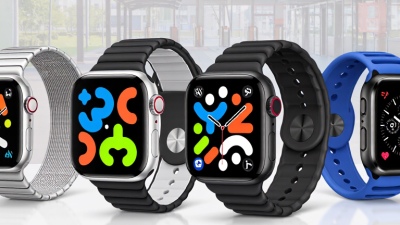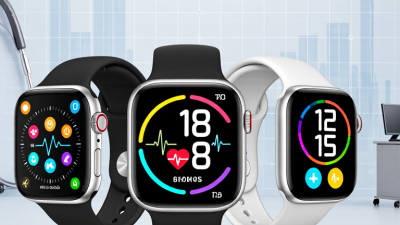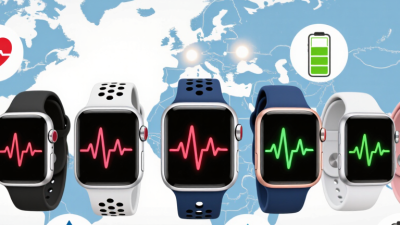
New: Rollme’s first blood pressure health smartwatch is now availableDistributor & retail partnerships welcome worldwide

Blog

China Top 10 AI Camera Smart Glasses Suppliers?

China Top 10 AI Camera Smart Glasses Suppliers?

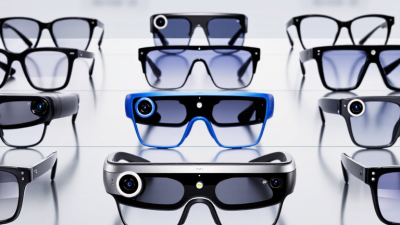
AI Camera Smart Glasses are moving from experimental prototypes toward practical tools for translation, navigation, recording, and hands-free work. Counterpoint Research reported that global smart glasses shipments grew by approximately 110% year over year in the first half of 2025. Its Smart Glasses Tracker also identified strong momentum from camera-enabled products. IDC’s worldwide AR and VR research points to a similar shift toward lighter, more socially acceptable wearable designs. The market is expanding quickly. It is still uneven. Mark Zuckerberg, Meta’s CEO, described the direction clearly: “I think glasses are going to be the ideal form factor for AI.” That statement matters because camera glasses combine visual input, voice interaction, and discreet displays in one wearable device. However, hardware quality differs widely. A sharp camera does not guarantee stable software, reliable battery life, or responsible data protection. This article evaluates China’s top 10 AI Camera Smart Glasses suppliers through practical criteria. These include camera resolution, optical design, chipset integration, battery endurance, production capacity, export experience, customization support, and after-sales service. Public company information, product documentation, industry reports, and supplier capabilities provide the evidence base. Factory audits would still improve confidence. Some rankings may change as new models enter the market. Readers should examine more than advertised megapixels. A supplier may offer excellent prototypes but limited mass production. Another may provide strong manufacturing but weaker artificial-intelligence features. Privacy compliance also deserves attention, especially where cameras operate in public spaces. These suppliers represent promising options, not automatic guarantees. Careful verification remains essential before procurement.
Read more »
Amelia By:Amelia - October 17, 2026
10 AI Smartwatch Buying Tips for Global Buyers

10 AI Smartwatch Buying Tips for Global Buyers

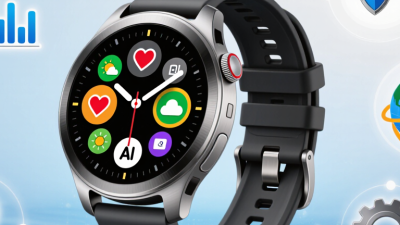
Buying an AI Smartwatch across borders is not simply a matter of choosing the newest model. A bright display may impress in a showroom, yet weak battery life can become frustrating during a long flight. Buyers must examine health sensors, artificial intelligence features, phone compatibility, language support, connectivity, privacy controls, and after-sales service. Regional differences matter. A model sold in Singapore may not offer identical functions in Canada or Germany. Wearable technology analyst Avi Greengart offers a practical reminder: “The best technology is technology you actually use.” This idea should guide every purchase. An AI Smartwatch should fit real routines, whether that means tracking morning runs, translating notifications, monitoring sleep, or answering calls in a busy market. Look closely at charging time, waterproof ratings, application quality, and subscription costs. A lower price can hide limited regional support. No checklist is flawless. Some advertised AI tools still feel experimental, and sensor results can vary with skin contact, movement, or software updates. That deserves honest attention. Buyers should not treat a smartwatch as a medical authority without professional guidance. They should also question vague claims about accuracy and data protection. The following ten tips help global buyers compare specifications with daily experience, test marketing promises, and choose an AI Smartwatch that remains useful after the excitement fades. Reliability matters more than novelty. Sometimes, less is wiser.
Read more »
Oliver By:Oliver - October 12, 2026
Top 10 ECG Smartwatches for Global Buyers in 2026?

Top 10 ECG Smartwatches for Global Buyers in 2026?

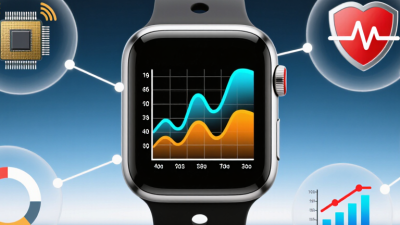
Choosing the right ECG Smartwatch in 2026 requires more than comparing screen size, battery claims, or app design. Global buyers need dependable heart readings, clear software, comfortable sensors, and support that continues after purchase. A watch may record a single-lead ECG in seconds, yet its usefulness depends on proper wrist contact, calm conditions, and accurate interpretation. This guide examines ten leading models for different users and markets. It considers ECG recording quality, heart-rate alerts, sleep tracking, battery endurance, water resistance, app compatibility, and data export options. It also checks regional availability, subscription requirements, warranty coverage, and relevant health-device approvals. These details can matter when a buyer travels, changes phones, or shares records with a clinician. Real-world testing often reveals small weaknesses. A sensor may struggle during exercise or with loose straps. Some apps feel polished but hide useful data behind subscriptions. No watch replaces professional medical advice. That limitation matters. The rankings therefore focus on practical reliability rather than impressive marketing language. Evidence from manufacturer specifications, independent testing, user experience, and recognized health authorities shapes each evaluation. Readers should still confirm local regulations and clinical support before purchasing. The best choice may not be the most expensive model; it may be the one that records consistently, explains results clearly, and fits daily habits. Yet even this approach has room for debate, because comfort, skin type, phone ecosystem, and regional services can change the experience.
Read more »

Oliver By:Oliver - October 7, 2026
How to Choose a Non Invasive Glucose Smartwatch in 2026?

How to Choose a Non Invasive Glucose Smartwatch in 2026?

Choosing a Non-Invasive Blood Glucose Smartwatch in 2026 requires more than comparing screens, sensors, and battery life. The global diabetes burden makes this decision important. The International Diabetes Federation estimates that 537 million adults aged 20–79 lived with diabetes in 2021. That figure may reach 783 million by 2045, according to the IDF Diabetes Atlas, 10th edition. Behind every statistic is a real routine: a morning reading, a busy commute, or a worried parent checking trends. The uncomfortable truth is that many watches still estimate glucose indirectly. They may use optical signals, temperature data, or proprietary algorithms. These methods can be affected by skin conditions, movement, sweat, and poor sensor contact. The U.S. Food and Drug Administration stated in 2024 that no smartwatch or smart ring had been authorized to measure blood glucose independently. This warning deserves attention. Marketing language can sound clinical. A credible product should clearly explain its measurement method, validation process, and limitations. Look for published studies, transparent accuracy data, and realistic statements about intended use. Also check whether the device connects with a regulated continuous glucose monitor rather than pretending to replace one. Reports from medical institutions and regulators should outweigh influencer reviews. No buying checklist is perfect. Some useful details remain missing from product pages. Still, careful comparison can reduce avoidable risks. This guide examines sensor technology, accuracy claims, medical-device status, comfort, data security, and everyday usability. It also asks a harder question: does the smartwatch provide meaningful health insight, or merely attractive numbers?
Read more »
Amelia By:Amelia - October 2, 2026
What Is the Best Military GPS Smartwatch from China

What Is the Best Military GPS Smartwatch from China

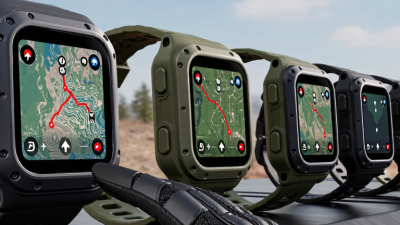
Choosing the best Military GPS Smartwatch from China requires more than comparing battery life or military-style finishes. Buyers should examine positioning accuracy, navigation controls, display readability, durability claims, and performance when buildings or terrain obstruct satellite signals. A rugged case alone proves little. The small details matter: Can you read the map in harsh sunlight? Does the watch hold a track beneath tree cover? Can you operate its buttons with gloves? The U.S. Space Force’s GPS Standard Positioning Service Performance Standard specifies global-average horizontal accuracy of 8 meters or better, at 95% probability, for the GPS signal in space. That is a system benchmark, not a guarantee of the accuracy any smartwatch will deliver. Receiver design, antenna placement, satellite visibility, and local conditions all matter. GPS pioneer Bradford Parkinson has described GPS as “a utility”—a useful reminder that dependable positioning matters more than impressive marketing language. This guide compares Chinese-made options by measurable specifications and practical use, while distinguishing verified features from vague claims. It also considers battery life with continuous tracking, multi-constellation support, offline navigation, and after-sales service. No watch wins every test. And “military-grade” can be an imprecise label, so readers should look for named test standards and clear evidence. The best choice is the model whose documented capabilities fit the wearer’s actual needs, not the one with the boldest casing or longest feature list.
Read more »
Charlotte By:Charlotte - September 28, 2026
Top 4G Smartwatch Options for Global Buyers

Top 4G Smartwatch Options for Global Buyers

A 4G Smartwatch can keep calls, messages, and location tools close at hand when a phone stays in a bag or at home. For global buyers, however, the word “4G” does not guarantee a simple setup. Cellular bands, eSIM or nano-SIM support, carrier approval, and roaming rules vary by market. Check those details before comparing screen sizes or watch faces. A bright display is useful outdoors. So is a clear speaker in a noisy station. But a watch that cannot connect to your local network is mostly a small, expensive clock. This guide compares four options through practical buying questions: where each model is sold, which networks it supports, how long its battery lasts with cellular use, and whether its GPS and health tools fit daily routines. We also consider comfort, water resistance, app availability, language support, and warranty access. Small details matter. A charger that is hard to replace can spoil a trip. So can a plan that adds unexpected monthly costs. Specifications are a starting point, not proof of real-world performance; battery life changes with signal strength, calls, and tracking. The best pick may differ for a frequent traveler, a parent seeking reachable contact, or someone who mainly wants fitness alerts. Some listings leave key network details unclear. Treat that as a reason to verify, not guess. These choices aim to make the trade-offs easier to judge without promising one watch suits everyone.
Read more »
Charlotte By:Charlotte - September 28, 2026