
New: Rollme’s first blood pressure health smartwatch is now availableDistributor & retail partnerships welcome worldwide
0%

Choosing the best Blood Pressure Smartwatch in 2026 means looking beyond a bright screen and polished health dashboard. The key question is whether its blood pressure readings come from a validated measurement method. Hypertension specialist George S. Stergiou has emphasized the importance of validating blood pressure devices. A concise, non-verbatim takeaway from his work is: “Trust the measurement method before trusting the number.” That distinction matters when a reading could influence a conversation with your clinician.

A useful watch should make its limits clear, explain how measurements are taken, and help you spot patterns over time. Check whether it requires calibration with a cuff, how often readings are available, and whether results can be exported for review. Imagine checking your wrist after a brisk walk: a single number may look precise, but movement, fit, and timing can affect it. No device is perfect. Nor should a smartwatch replace a properly validated upper-arm monitor or professional medical advice.

This guide compares leading options by measurement approach, usability, comfort, battery life, and evidence behind their claims. We’ll also examine what each watch can—and cannot—tell you. The honest answer may be less exciting than a one-tap diagnosis. That is worth remembering.
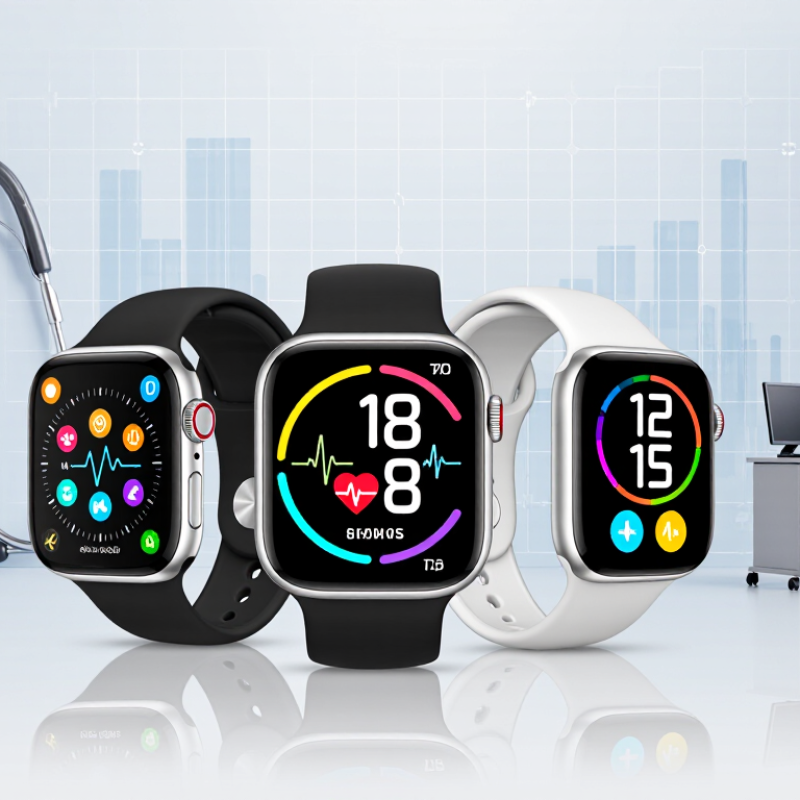
What Is the Best Blood Pressure Smartwatch in 2026?

Hypertension’s Global Burden: WHO Estimates 1.28 Billion Adults Affected

Hypertension affects an estimated 1.28 billion adults aged 30–79 worldwide, according to WHO’s 2023 Global Report on Hypertension. Nearly half are unaware they have it, and only about one in five has their blood pressure controlled. These figures represent years of elevated pressure that may pass without obvious symptoms, while the heart, brain, and kidneys face added strain. Quiet, but consequential.

That burden helps explain the appeal of blood-pressure smartwatches: frequent readings could make changes easier to notice during daily life. But convenience is not accuracy. The European Society of Hypertension’s 2023 recommendations note that cuffless blood-pressure devices need rigorous validation; movement, wrist position, and calibration can affect readings. For anyone comparing a watch in 2026, ask how its measurements were tested and whether it requires calibration. Treat readings as clues, not a diagnosis. Confirm concerning results with a validated upper-arm monitor and discuss persistent high readings with a health professional. Measurement alone does not ensure treatment.

How Smartwatches Estimate Blood Pressure: Sensors, Cuffs, and Calibration

A smartwatch usually does not measure blood pressure directly. Its optical sensors shine light into the skin and track tiny changes in blood volume with each pulse. Software combines those signals with personal data to estimate pressure. Some systems also use timing between electrical and optical signals. The wrist sensor is doing more than counting beats. Still, an estimate is not the same as a cuff reading.

A cuff provides the reference used to calibrate many watches. You may need to take a few cuff measurements and enter them into the watch’s app before estimates are available. Calibration may need repeating, depending on the device instructions and changes in your readings. Sit quietly for several minutes, keep your arm near heart level, and use a correctly sized cuff. Small details matter. A loose watch, a cold wrist, or movement during a reading can distort the signal.

Wearable estimates are most useful for following patterns, not confirming a diagnosis. Compare them with a validated upper-arm cuff, especially when readings seem unusual. If the numbers differ, check your posture and repeat the measurement rather than trusting the more convenient result. That can feel tedious. It is also a reminder that wrist-based estimates have limits, and accuracy varies between people and devices.

Clinical Accuracy Benchmarks: AAMI/ESH/ISO Validation Uses 85 Participants

A blood pressure smartwatch should be judged by more than a polished screen or a reassuring daily graph. One important benchmark is validation under recognized AAMI/ESH/ISO protocols. These studies commonly include at least 85 participants, with measurements compared against a reference method under controlled conditions. That number matters. It gives researchers a broader test group than a handful of volunteers, but it does not prove that every reading is accurate for every wearer.

Look closely at how the study was conducted. Participants should represent a useful range of ages, arm sizes, and blood pressure levels. Measurements should be taken in a consistent posture, with the reference cuff fitted correctly and readings recorded without rushing. Small detail, big consequence. A device tested only under quiet laboratory conditions may behave differently after a brisk walk, during cold weather, or when a strap sits loosely on the wrist.

The 85-participant benchmark is a starting point, not a personal guarantee. Ask whether the exact smartwatch model was tested, whether the full protocol was followed, and how often calibration is needed. A watch that estimates pressure from optical sensors may be sensitive to movement and skin contact. That is easy to forget when the display looks precise. For diagnosis or medication decisions, confirm readings with a clinically validated upper-arm monitor and discuss concerning results with a qualified health professional.

Comparing 2026 Blood Pressure Smartwatches: Validation, Calibration, and Features

The best blood-pressure smartwatch in 2026 is not simply the one with the most features. Look for evidence that its readings were tested independently against a validated blood-pressure monitor. Strong studies include people with varied ages, arm sizes, and blood-pressure ranges, rather than a small, uniform group. Small details matter. Wrist height, movement, and a loose strap can all affect a reading.

Calibration deserves equal attention. Check how the watch is calibrated, how often it needs recalibration, and whether instructions explain the process clearly. Some devices require comparison with a validated upper-arm cuff. If calibration is overdue, readings may drift. A polished app cannot correct that. I would treat unclear calibration guidance as a meaningful weakness, even when the display looks convincing.

Useful features include time-stamped readings, trend charts, reminders, and simple data sharing with a healthcare professional. These help reveal patterns across ordinary days, not just one hurried measurement. Still, a watch reading is not a diagnosis. Confirm concerning results with a validated cuff and discuss persistent changes with a clinician. There is an awkward limitation here: even a well-tested watch may perform differently on an individual wrist.

What Is the Best Blood Pressure Smartwatch in 2026?

A validation benchmark for comparing blood pressure claims—not a ranking of specific watches.

ISO 81060-2 validation criteria include a mean difference from the reference method of no more than 5 mmHg and a standard deviation no greater than 8 mmHg. These are benchmark limits, not measured results for any smartwatch. For wearable and cuffless devices, check the applicable validation protocol, independent clinical evidence, and the manufacturer’s calibration instructions before comparing features or choosing a device.

What Counts as High Blood Pressure? AHA’s 130/80 mm Hg Threshold

What Is the Best Blood Pressure Smartwatch in 2026?

The American Heart Association (AHA) classifies 130/80 mm Hg or higher as high blood pressure. Stage 1 hypertension begins at 130–139 systolic or 80–89 diastolic. Either number can place a reading in that range. The AHA’s 2024 Heart Disease and Stroke Statistics report estimates that nearly 47% of U.S. adults have hypertension under current criteria. That cutoff can feel oddly blunt. Real life is messier.

A smartwatch reading can be useful for tracking patterns, but it should not diagnose hypertension on its own. Readings may shift with movement, a loose fit, stress, or how your arm is positioned. For confirmation, the AHA recommends a validated upper-arm monitor and repeated measurements. Sit quietly for five minutes, keep your feet flat, and take two readings one minute apart. One reading is not enough. Share repeated high results with a health professional, especially if readings are much higher than usual.

Tips: Measure at the same time each day and keep a simple log. Note medication timing, caffeine, or a stressful moment; these details may help explain a surprising result. Don’t ignore persistent readings near or above 130/80 just because you feel fine.

FAQS

How does a smartwatch estimate blood pressure?

Optical sensors track tiny changes in blood volume as your pulse moves through the wrist. Software uses these signals and personal data to estimate pressure. Some systems also compare electrical and optical signal timing.

Does a smartwatch measure blood pressure directly?

Usually, no. Its result is an estimate, not a cuff reading. That distinction is easy to overlook.

Why does a watch need calibration?

Many watches use readings from a validated upper-arm cuff as a reference. You may need to enter several cuff readings before estimates become available. Follow the device’s instructions.

How can I get a more reliable reading?

Sit quietly for several minutes and keep your wrist near heart level. Wear the watch snugly, and avoid moving during the reading. Small details matter.

What can interfere with a wrist-based estimate?

A loose strap, cold wrist, movement, or incorrect wrist height can affect the signal. Even a quick, rushed reading may be misleading.

How often should I recalibrate my smartwatch?

Follow the device’s instructions, since timing varies. If calibration is overdue, estimates may drift. Clear guidance matters.

What should I do if the watch and cuff show different readings?

Check your posture and repeat the measurement with a validated upper-arm cuff. Don’t assume the more convenient number is correct. It can be tedious.

Are smartwatch readings useful for tracking blood pressure?

They can help show patterns across ordinary days, especially with time-stamped readings and trend charts. But individual results may vary, so confirm concerning readings with a cuff and discuss persistent changes with a clinician.

Conclusion

A Blood Pressure Smartwatch can offer a convenient way to track blood pressure trends, but its readings depend on the technology it uses. Some devices estimate pressure with optical sensors, while others use an inflatable cuff; calibration against a reliable reference may also be necessary. Understanding these differences is important because a convenient reading is not automatically a clinically accurate one.

When comparing devices in 2026, consider whether their accuracy has been assessed using recognized AAMI/ESH/ISO validation protocols, which commonly involve testing with 85 participants, as well as how often calibration is needed and what tracking features are available. The need for reliable monitoring is significant: the WHO estimates that 1.28 billion adults worldwide have hypertension. The AHA’s threshold for high blood pressure is 130/80 mm Hg, though individual interpretation should take health context into account. A smartwatch can support awareness and monitoring, but should not replace professional medical advice.

Oliver

Oliver

Oliver is a professional marketing specialist who brings a deep understanding of the company’s products and the needs of the people who use them. He regularly contributes expert articles to the company website, sharing clear, practical insights that help readers understand product features,......