1. The Paradigm Shift: From Passive Fitness Trackers to Active AI Smartwatches
The global wearable technology market is experiencing a structural inflection point. For over a decade, smartwatches operated primarily as passive data collectors—measuring heart rate, steps, and basic sleep stages, while relying strictly on tethered mobile apps for data visualization. Today, the integration of Artificial Intelligence (AI), specifically Large Language Models (LLMs), micro-NPUs (Neural Processing Units), and edge computational algorithms, has transitioned the wearable from a simple monitoring tool into an interactive context-aware personal digital assistant.
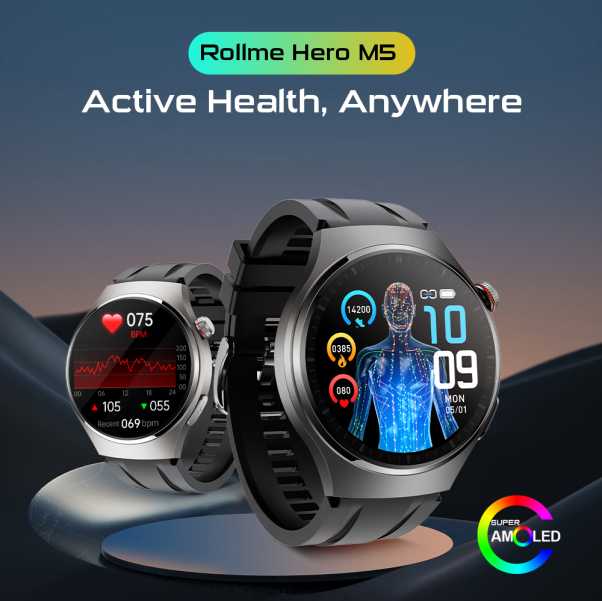
When global tech importers ask, “What truly differentiates an AI Smartwatch from a conventional smartwatch?” the answer lies in bi-directional contextual interaction and generative inference. An ordinary smartwatch alerts a user to an incoming message; an advanced AI Smartwatch—such as the Rollme AI Watch 2 or Rollme AI Watch 3—understands natural language intent, processes real-time voice-to-text input, connects to cloud LLMs like ChatGPT via low-latency APIs, and generates intelligent contextual quick replies for platforms like WhatsApp and Telegram directly from the wrist.
For B2B buyers and supply chain directors, offering an AI Smartwatch product line provides high Information Gain and massive commercial differentiation. Consumers no longer compare screen resolution alone; they seek hardware that reduces smartphone screen time through autonomous natural language task processing, voice translation, and AI-driven algorithmic wellness predictions.
2. Architectural Framework of a Cutting-Edge AI Smartwatch
To successfully market and distribute AI smartwatches globally, procurement officers must master the core technical building blocks that define hardware capability, stability, and power management. Rollme’s R&D engineering team designs AI wearables around four fundamental hardware-software layers:
- Edge Micro-NPU & Dual-Processor Architecture: High-performance AI processing demands optimized silicon. Modern AI smartwatches utilize a low-power dual-chip topology. A micro-controller (MCU) handles background sensor polling, display driver pipelines, and Bluetooth 5.3 telemetry, while a dedicated application processor or edge NPU wakes up instantly for speech tokenization and neural network inference.
- Natural Language Speech Recognition (STT/TTS): Microphones built into AI smartwatches must feature dual-array ENC (Environmental Noise Cancellation) hardware. Real-time voice signals are filtered, digitized, and routed through local whisper-light models or cloud voice APIs to yield under 800ms speech-to-text response rates even in noisy urban environments.
- Cloud LLM API Integration & Security Protocols: Security is paramount for enterprise procurement. Premium AI Smartwatches utilize tokenized, end-to-end encrypted APIs (SSL/TLS 1.3) connecting device telemetry to secure cloud LLM clusters. Personal health data is anonymized prior to any LLM prompt processing, adhering to strict GDPR, CCPA, and regional data protection mandates.
- Contextual Multimodal Fusion: High-end models integrate optical photoplethysmography (PPG) sensors, multi-axis accelerometers, barometric altimeters, and dual-band GNSS positioning. AI models aggregate these multi-sensor data streams to calculate dynamic stress indices, predictive fatigue levels, and precise altitude calibration without manual user intervention.
3. Future Procurement Trends in the Global AI Smartwatch Market (2026–2030)
Distributors and OEM brands must stay ahead of consumer demand cycles. Based on global market research and Rollme’s internal engineering roadmap, four critical procurement trends will define the AI smartwatch landscape over the next five years:
Trend A: On-Device Small Language Models (SLMs) for Offline Intelligence
While current AI smartwatches rely on cellular or Bluetooth cloud routing for complex LLM inquiries, the next evolution involves on-device SLMs executing entirely offline. This ensures zero latency and total data privacy during off-grid wilderness trips or cross-border travel where mobile data is absent.
Trend B: Convergence of Standalone 4G LTE & Cloud AI Computation
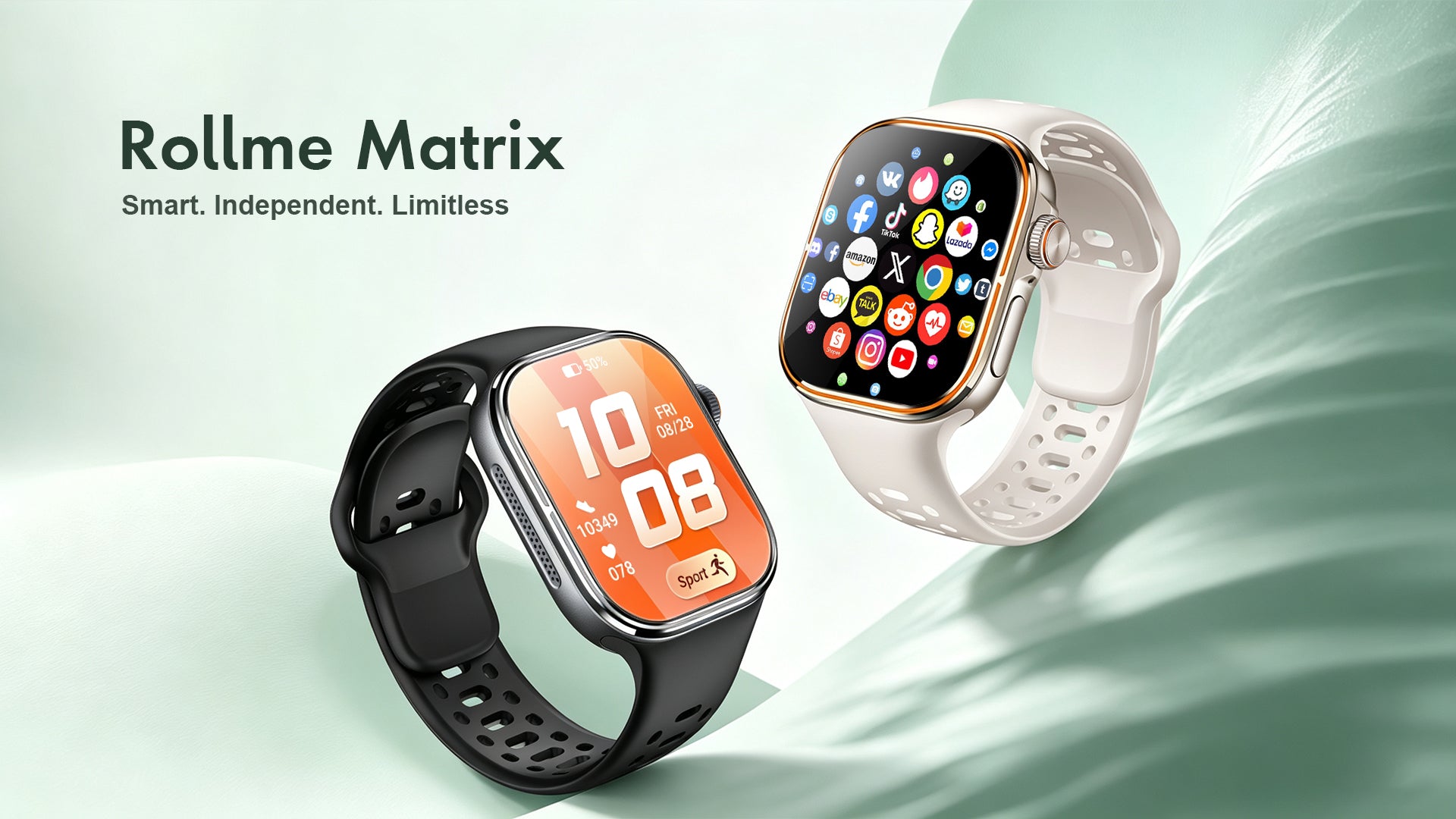
Independent wearable operation is top-of-mind for outdoor enthusiasts and business executives alike. Smartwatches equipped with dedicated SIM/eSIM slots (such as the Rollme Matrix 4G Smartwatch) combine standalone high-speed cellular bandwidth with cloud AI servers, enabling wrist-bound voice assistant querying, email drafting, and real-time translation completely unattached from a smartphone.
Trend C: Generative UI & Dynamic Watch Face Customization
Static watch face libraries are quickly becoming obsolete. Future AI Smartwatches enable users to prompt generative design algorithms directly through voice commands (“Create a minimalist cyberpunk watch face displaying outdoor temperature and current heart rate”). The watch renders a customized watch face canvas in real time, driving user engagement and device satisfaction.
Trend D: Cross-Form Factor Ecosystem Interoperability
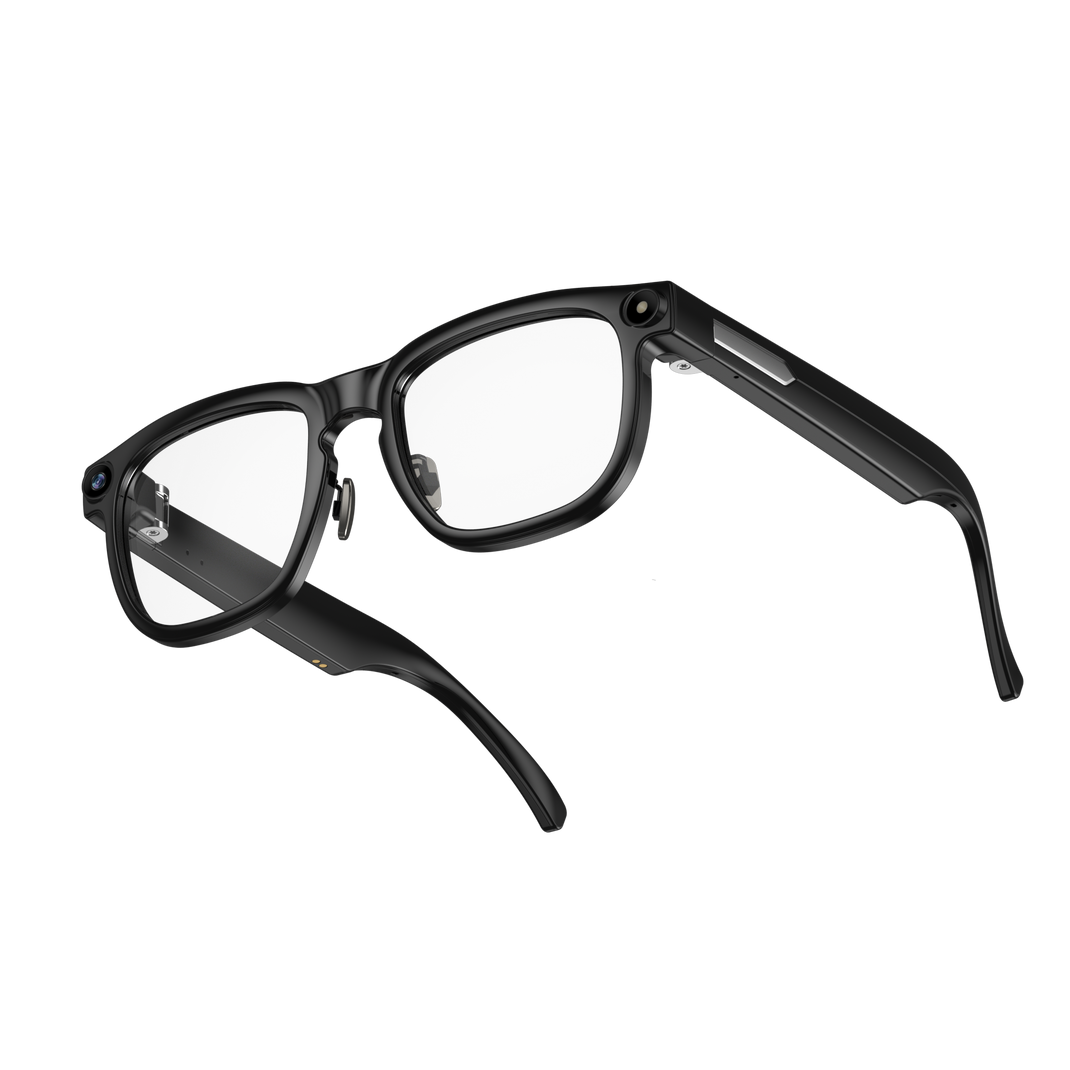
Procurement teams are increasingly sourcing full wearable suites rather than isolated SKUs. Importers seek suppliers capable of providing connected ecosystems where an AI Smartwatch, an AI Open-Ear Wearable (like Rollme AirCam), Smart Glasses (like Rollme ProView), and a Smart Health Ring (like Rollme R1 Pro) talk to a unified mobile companion app, sharing biometric data and context seamlessly.