 Rollme Rollme
A 4G Smartwatch can keep calls, messages, and location tools close at hand when a phone stays in a bag or at home. For global buyers, however, the word “4G” does not guarantee a simple setup. Cellular bands, eSIM or nano-SIM support, carrier approval, and roaming rules vary by market. Check those details before comparing screen sizes or watch faces. A bright display is useful outdoors. So is a clear speaker in a noisy station. But a watch that cannot connect to your local network is mostly a small, expensive clock.
This guide compares four options through practical buying questions: where each model is sold, which networks it supports, how long its battery lasts with cellular use, and whether its GPS and health tools fit daily routines. We also consider comfort, water resistance, app availability, language support, and warranty access. Small details matter. A charger that is hard to replace can spoil a trip. So can a plan that adds unexpected monthly costs. Specifications are a starting point, not proof of real-world performance; battery life changes with signal strength, calls, and tracking. The best pick may differ for a frequent traveler, a parent seeking reachable contact, or someone who mainly wants fitness alerts. Some listings leave key network details unclear. Treat that as a reason to verify, not guess. These choices aim to make the trade-offs easier to judge without promising one watch suits everyone.
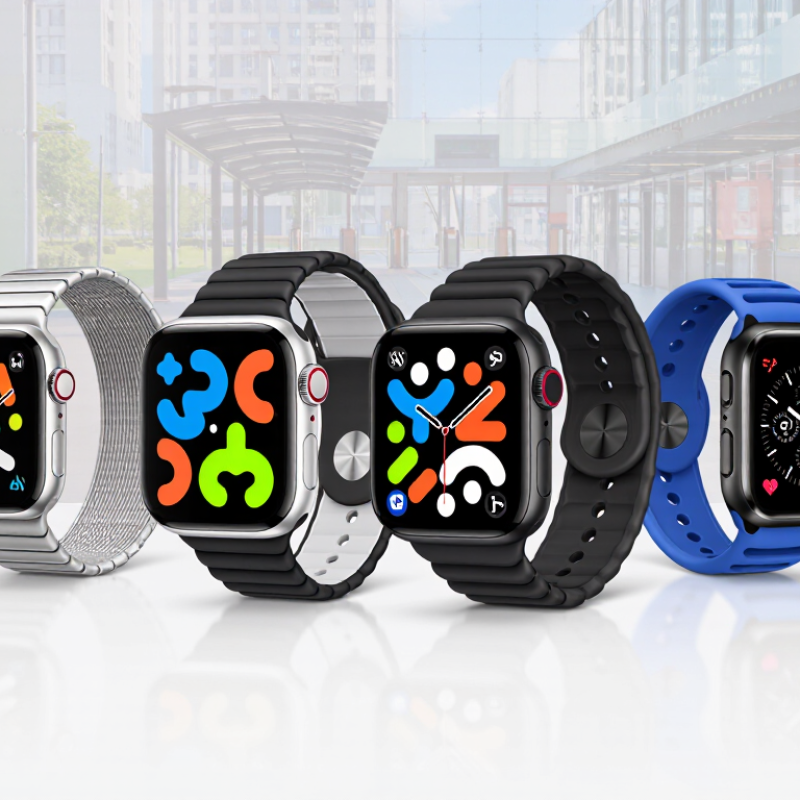
A 4G smartwatch is more than a watch with a SIM slot. It connects directly to a mobile network, so calls, messages, and some apps can work when your phone is elsewhere. The GSMA’s Mobile Economy 2024 report says 4G represented about 60% of global mobile connections in 2023. That scale helps explain why LTE is a practical baseline for many buyers. It does not guarantee that every watch will work everywhere.
For global buyers, compatibility is the real test. Check the watch’s supported LTE frequency bands against those used by local carriers, and confirm whether it accepts a physical SIM or eSIM. Ask whether the carrier supports the device, voice calling, and number sharing. Roaming can be limited, too. A watch that connects on holiday may still fail to activate with a local plan. Small details matter.
Battery life deserves equal attention. LTE calls and location sharing can drain a small watch battery faster than Bluetooth use. In a shop, look for clear information on standby time, charging, water resistance, and emergency contact features. Try the fit on your own wrist. Comfort is easy to overlook. So is signal quality indoors. Specifications help, but they do not replace checking the exact model with your intended carrier. GSMA figures describe the wider network market, not compatibility for any particular watch.
| Option | Best suited for | 4G connectivity setup | Key advantages | Global-buying checks |
|---|---|---|---|---|
| 1. eSIM LTE smartwatch | Travelers and users who want a compact watch without a physical SIM card | Uses a built-in eSIM; cellular service must be activated through a supported carrier or plan | No removable SIM; may support calls, messaging, and data away from a paired phone, depending on the model and plan | Confirm carrier and country support, roaming terms, and whether the watch requires a companion-phone plan |
| 2. Physical-SIM LTE smartwatch | Buyers who prefer a removable SIM or need to use a local SIM while traveling | Accepts a physical SIM in models designed with a SIM slot; service depends on the carrier and device configuration | A local SIM may offer an alternative to roaming where the watch and local network are compatible | Check SIM size, device unlocking, supported LTE bands, local registration rules, and whether voice calls are supported |
| 3. Rugged LTE smartwatch | Outdoor users who prioritize a durable case, navigation features, or longer battery life | May use eSIM or a physical SIM; LTE capability and supported services vary by model | Often combines cellular connectivity with activity, location, and outdoor-use features | Check the exact LTE bands, water-resistance rating, battery life with cellular enabled, and availability of maps or emergency features in your region |
| 4. LTE smartwatch for family or safety use | Families seeking location sharing or calling features for a child or dependent | Typically requires a compatible SIM or eSIM plan and may rely on a dedicated app or account setup | Can provide communication and location features when supported by the watch, service plan, and companion app | Verify app availability, parental controls, emergency-service limitations, network coverage, and local privacy requirements |
What defines a 4G smartwatch: It contains an LTE cellular modem and can connect to a compatible mobile network when supported by its hardware, software, and active service plan. “4G” does not guarantee worldwide coverage: LTE bands, carrier approval, eSIM availability, roaming, and supported features vary by model and country.
No. The watch’s LTE bands must overlap with the local carrier’s bands. A familiar label can still hide a mismatch.
Get the exact LTE band list for the watch and compare it with your destination carrier’s published bands. Check voice-call support, too.
Yes. Calls may require carrier support for wearable devices and VoLTE. Ask about both; data service alone is not enough.
They can. A physical SIM needs a suitable card, while an eSIM may require local activation. Confirm that the carrier supports smartwatch plans.
Ask about roaming, coverage, and charges. Test calls and data before leaving, since coverage maps cannot confirm every feature.
Calls, GPS, and weak signal searching can use power quickly. A long travel day may expose limits that a short test misses.
Simple contacts, location sharing, and clear privacy controls may matter more than a large app library. GPS can take longer near tall buildings.
Check microphone clarity, speaker volume, water resistance, charging time, and battery estimates under cellular use. The trade-offs are easy to miss. Small details matter.
Choosing a 4G Smartwatch for use across different countries involves more than comparing screen size or design. Buyers should understand how cellular connectivity works, since supported network bands can vary by region and affect whether a watch connects reliably when traveling or living abroad. A model that suits one market may not offer the same compatibility elsewhere, so checking the intended country and carrier is an important first step.
When comparing options, consider calling and messaging capabilities, battery life, comfort, durability, ease of setup, and the features you expect to use regularly. Different watches may be better suited to everyday communication, travel, fitness, or staying connected without a phone nearby. Before buying internationally, confirm band support, carrier requirements, SIM or eSIM availability, roaming conditions, and warranty coverage. These checks can help you choose a watch that fits your needs and works as expected in your destination.