 Rollme Rollme
Turnkey Hardware Platforms Ready for Private Label Customization, Custom Firmware Flash, & Global Distribution
Vertically Integrated Hardware Engineering, Custom Optical Tooling, and ISO-Certified Mass Production
With over 10 technology patents and 50 industrial design patents, our engineering team optimizes wave-guide optics, MicroLED engine mounts, and leak-free directional acoustic chambers into ultra-lightweight frame geometries.
Backed by 2 China Class-II medical device certifications, our multi-wavelength photoplethysmography (PPG), non-invasive blood glucose trend algorithms, and single-lead ECG modules meet rigorous international clinical accuracy specs.
We offer turnkey software customization, from custom Bluetooth Low Energy (BLE 5.3/5.4) stack integration to localized OpenAI/LLM voice assistants, real-time audio translation, and WhatsApp/Telegram message routing.
An Engineering Guide to Component Selection, Thermal Management, Optical Efficiencies, and Supply Chain Risk Mitigation
The smart wearable market is undergoing a structural evolution. Where consumer demand was historically dominated by wrist-worn fitness bands, the convergence of mini-micro electronics, edge artificial intelligence, and advanced diffractive optical waveguides has positioned smart glasses as the primary platform for next-generation human-computer interaction (HCI).
For enterprise procurement officers, wholesale distributors, and consumer tech brands, sourcing a Custom OEM Wholesale Smart Glasses Supplier requires evaluating technical capabilities far beyond traditional injection molding and simple assembly. Modern smart eyewear demands multi-disciplinary engineering synergy: combining optical engine efficiency, micro-PCB spatial layout, thermal dissipation across lightweight acetate or titanium frames, directional acoustic containment, and low-latency wireless communication.
"Information Gain Insight: True OEM differentiation in 2025+ smart eyewear lies in solving the visual-acoustic trade-off—achieving 1000+ nits display brightness at eye-level while maintaining sub-45-gram total weight and zero acoustic leakage for total user privacy."
Selecting the optical engine dictates frame aesthetics, industrial design constraints, and battery drain profile. OEM buyers must select among three primary display paradigms:
| OEM Technology Platform | Display / Camera Specs | Chipset & Connectivity | Battery & Thermal Profile | Target Market Segment |
|---|---|---|---|---|
| ProView AI Camera Glasses | Sony 12MP Camera, 1080p EIS Video | Dual-Core Audio DSP + BLE 5.3 | 290mAh Li-Po / Active Heat Sink | Content Creators, Vloggers, Field Technicians |
| AuraView Business AI Frames | Metal Half-Rim, Prescription Ready | BES2700 Audio SoC + AI ENC | 220mAh Dual-Temple Batteries | Corporate Professionals, Everyday Audio Wear |
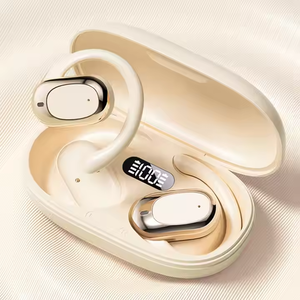
| AirCam Open-Ear Wearable | 8MP Ultra-HD, 16mm Hi-Fi Driver | OpenAI API Direct Gateway | 310mAh / 6.5h Continuous Playback | Travelers, Real-Time Audio Translation |
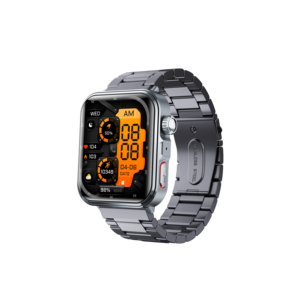
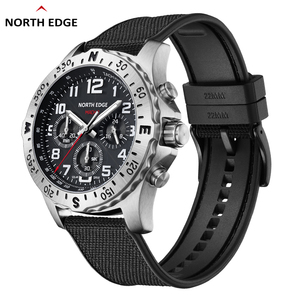
| Hero D6 Tactical Smartwatch | 2.13" AMOLED (466x466, 1000 nits) | Dual-Band 6-Satellite Multi-GNSS | 850mAh / 5ATM Water Seal | Outdoor Exploration, Military/Off-Grid Navigation |
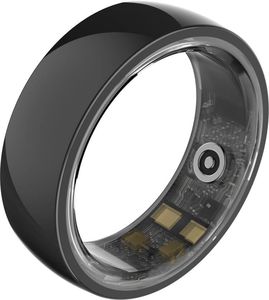
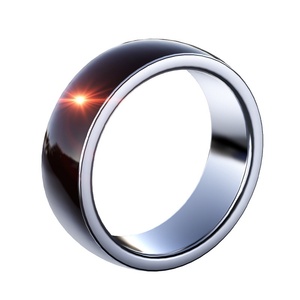
| R1 Pro Health Ring Platform | Medical PPG Sensor Array (No Display) | Ultra-Low Power Nordic nRF5340 | 18mAh Solid-State / 7-Day Battery | Screen-Free Wellness & Sleep Tracking |
Open-ear audio smart glasses frequently suffer from "sound leakage," where nearby individuals can overhear private phone calls or voice assistant responses. As an experienced OEM manufacturer, our audio architectures incorporate reverse phase acoustic wave cancellation. By placing dual micro-speakers on the top and bottom of each frame temple, outward sound waves are inverted to neutralize far-field audio spillover while delivering rich, full-range sound to the user's ear canal.
Beyond simple audio and video capture, modern smart glasses and companion smart wearables (smart rings and rugged GPS smartwatches) integrate multi-modal sensor arrays:
To satisfy diverse retail price points and enterprise deployment requirements, our manufacturing facility produces several complementary product lines engineered under strict quality assurance frameworks:
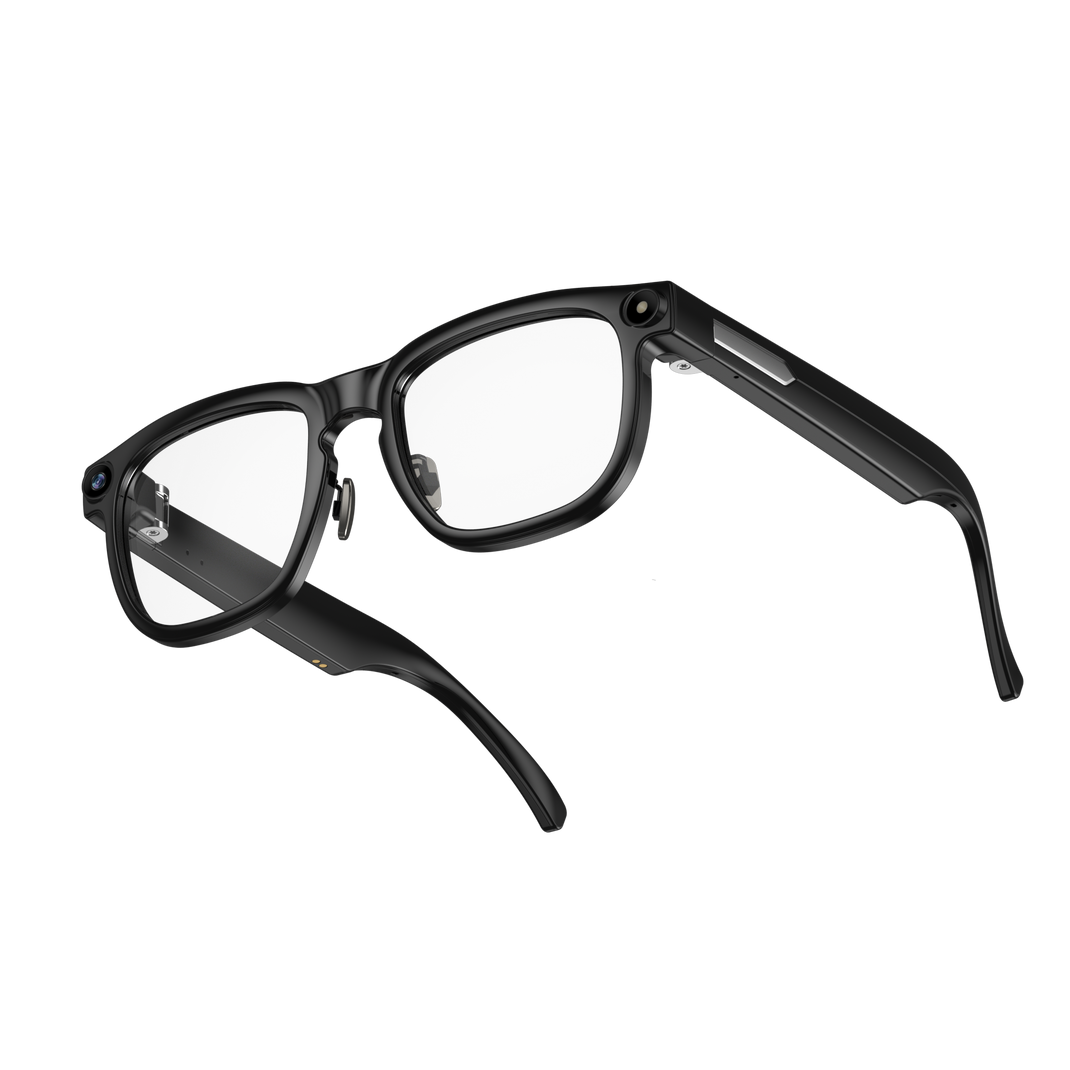
Featuring a Sony 12MP high-resolution sensor, local AI object recognition, real-time voice translation, and dual microphone ENC. Designed with interchangeable prescription and tinted UV400 lenses.
Request OEM Spec Sheet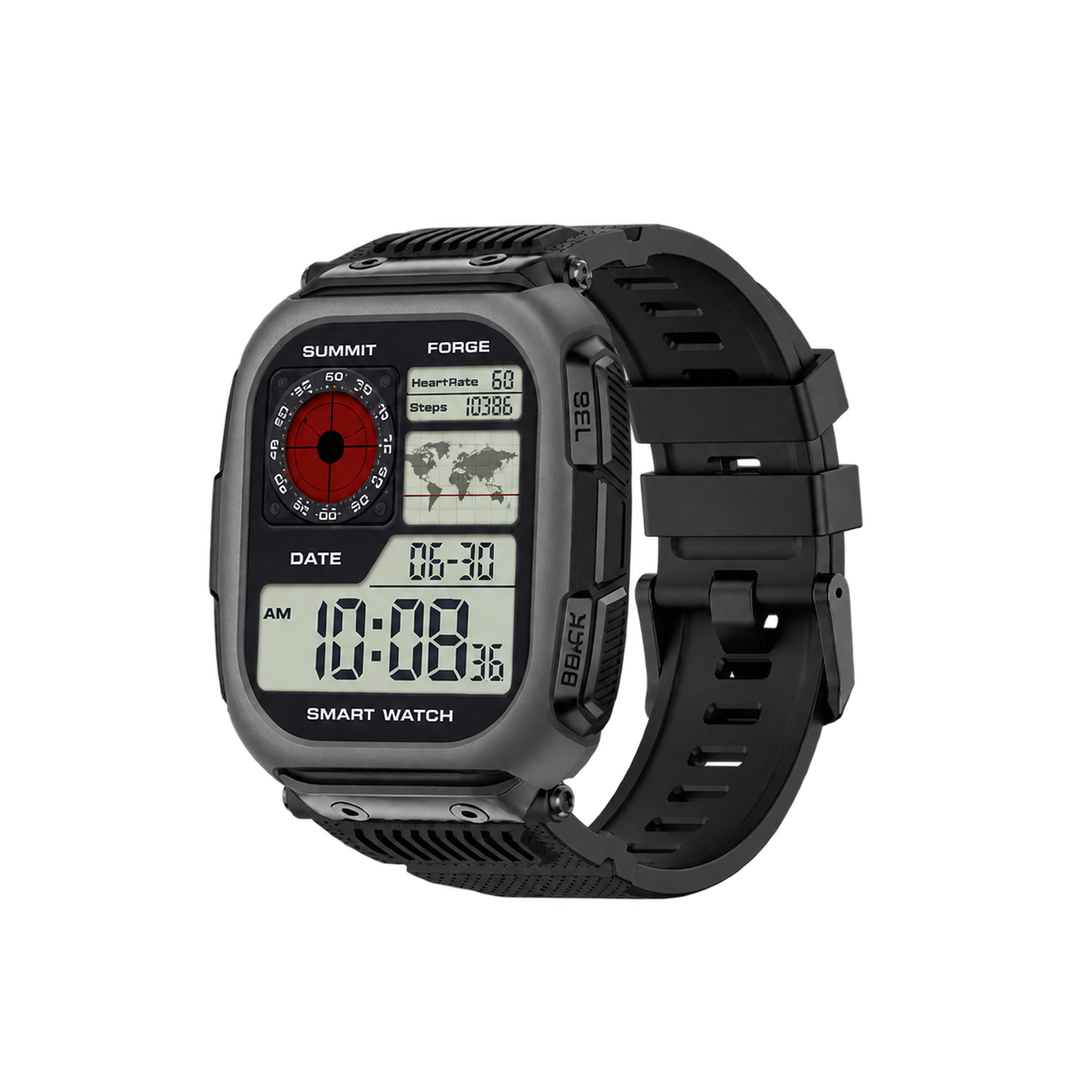
Engineered for extreme environments. Features offline map navigation, dual-band 6-satellite positioning, 5ATM waterproofing, altimeter/barometer/compass, and an ultra-large 850mAh battery.
Request OEM Spec Sheet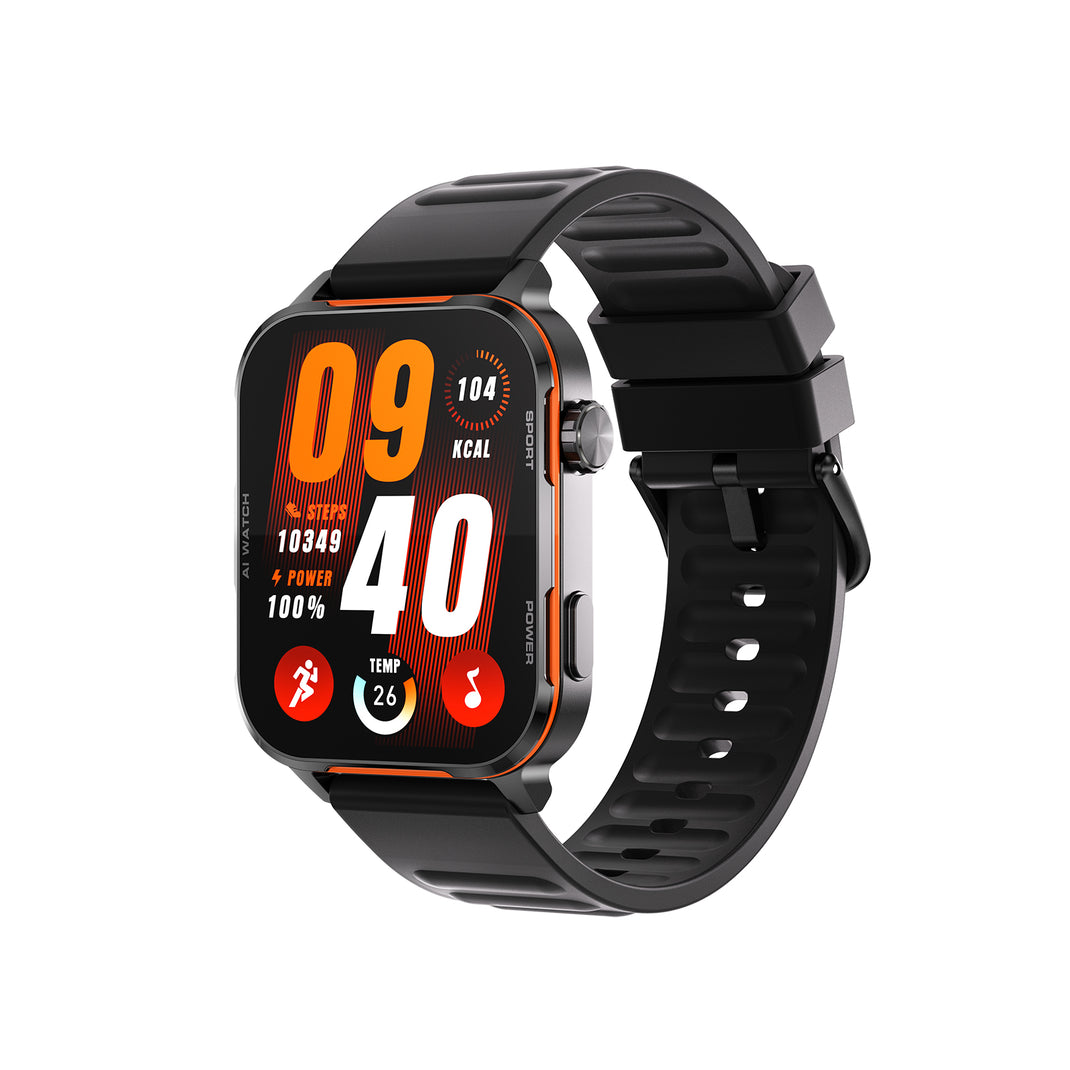
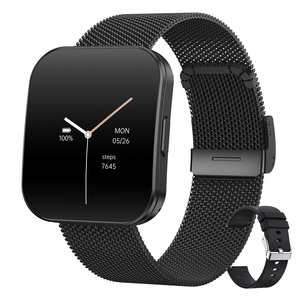
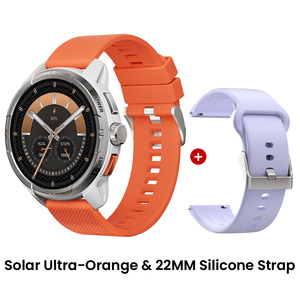
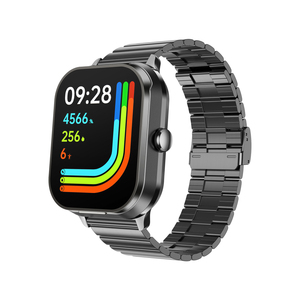
1.99-inch HD full-touch smartwatch integrated with on-device ChatGPT AI assistant. Supports direct quick replies for WhatsApp & Telegram alongside AI-generated watch faces.
Request OEM Spec SheetWhen planning wholesale inventory and brand portfolio roadmaps, procurement leads must account for three decisive market shifts shaping the next half-decade:
Smart glasses are rapidly transitioning from simple Bluetooth accessories into autonomous edge AI hubs. Future OEM hardware relies on embedded neural processing units (NPUs) capable of processing real-time video feeds locally. Users will expect instant visual query resolution—such as identifying replacement part numbers on an assembly line or translating foreign text signage—without mandatory cloud server latency.
Retailing smart glasses to broader demographics requires solving optical correction. OEM manufacturing lines must offer modular frame fronts (magnetic clip-ons or quick-release inner optical rims) allowing optical shops and consumers to insert custom Rx prescription lenses effortlessly.
Enterprise procurement strategy increasingly focuses on multi-wearable integration. By pairing low-power smart rings (screen-free continuous metabolic and sleep tracking) with smart glasses (heads-up notifications and voice input) and rugged smartwatches (standalone 4G LTE connectivity and GPS mapping), brands create interconnected hardware ecosystems that lock in customer loyalty.
Mass producing micro-optics and wearable electronics introduces stringent manufacturing tolerances. Our ISO 9001 and ISO 13485 certified production facilities execute multi-stage quality gates across every production batch:
Direct Answers Regarding Minimum Order Quantities, SDK Customization, Lead Times, and Certification Compliance
Partner with an established OEM/ODM manufacturer backed by 10+ technology patents, 50+ design patents, and proven global logistics. Request technical datasheets, sample units, or custom tooling quotes today.