 Rollme Rollme
Direct OEM manufacturing choices engineered for international distribution, certified compliance, and rapid market entry.
The global smart eyewear market has reached a critical structural tipping point. Moving beyond early-stage consumer novelties, enterprise buyers and regional distributors now require highly reliable, CE Certified OEM Smart Glasses capable of merging micro-optics, edge-AI computing, and continuous physiological sensing. Navigating the original equipment manufacturing (OEM) ecosystem in Asia demands a granular understanding of both component-level physics and strict European regulatory compliance.
To legally import and commercialize smart audio-visual eyewear within the European Economic Area (EEA), manufacturing facilities must satisfy comprehensive directives under the CE framework. This is not merely a formality stamp; CE compliance for smart glasses encompasses the Radio Equipment Directive (RED 2014/53/EU), Electromagnetic Compatibility (EMC 2014/30/EU), Specific Absorption Rate (SAR EN 62479) human exposure testing, and optical lens radiation safety (EN ISO 12312-1). Suppliers operating without verified factory-level testing protocols risk customs seizures, severe regulatory fines, and costly market recalls.
As an established R&D-driven manufacturer, our facility integrates complete vertically integrated SMT assembly, optical alignment chambers, and automated RF tuning. Backed by 10 core technology patents and 50 industrial design patents, our OEM/ODM infrastructure offers overseas brand owners, telecom carriers, and health-tech importers a turnkey pathway to commercializing customized smart glasses with zero regulatory risk.
B2B sourcing strategies for augmented reality (AR) and smart audio-visual eyewear are undergoing a massive evolution. Based on empirical production data and enterprise procurement behavior, four dominant sourcing trends are redefining how global brands structure their OEM supply chains:
Procurement is pivoting away from standalone audio glasses toward integrated vision units featuring ultra-low-power CMOS image sensors (e.g., Sony 12MP sensors) paired with multimodal AI engines. Enterprise buyers now specify hardware capable of real-time spatial object recognition, live speech translation, and OCR processing executed at the edge.
Rather than locked single-body frames, OEM buyers are demanding modular optical engines (diffractive surface relief waveguides vs. reflective micro-displays). This modularity allows brand owners to swap clear prescription lenses, polarized sunglass lenses, or blue-light filtering optics into a single unified temple chassis.
Legacy bone conduction mechanisms are rapidly being replaced by micro-directional open-ear acoustic speaker drivers. By utilizing dual-microphone noise suppression (ENC) and sound-leakage cancellation algorithms, modern OEM smart glasses deliver crisp phone call quality while preventing sound dispersion in quiet environments.
Leading enterprise distributors no longer buy hardware in isolation. Sourcing agreements require standardized Bluetooth 5.4 LE stacks, proprietary Android/iOS SDKs, and API compatibility with companion wearables such as smart health rings and GPS tactical smartwatches.
Engineered for extended daily wear, modern smart eyewear demands extreme component density without compromising thermal dissipation or weight distribution. Below is an authoritative hardware comparative analysis detailing current industrial specifications across our core OEM wearable product families:
| Wearable Category | Core Chipset / Sensor | Optical / Display Specs | Connectivity & AI | Battery / Power | CE Certification Standards |
|---|---|---|---|---|---|
| AI Camera Smart Glasses (ProView Series) | Sony 12MP Ultra-HD / Dual ENC Mic | Interchangeable UV400 / Clear Optics | Bluetooth 5.4 + Edge AI Voice & Vision | 290mAh Li-Po / 6 hrs Active | EN 300 328, EN 62479, RED 2014/53/EU |
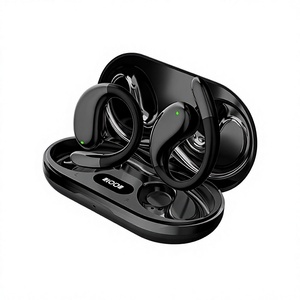
| Open-Ear AI Audio Wearables (AirCam) | 8MP Camera + 16mm Dynamic Driver | 1080P EIS Video Stabilization | OpenAI Multimodal Translation + ChatGPT | Dual-battery Temple System | CE, RoHS, FCC Part 15B |
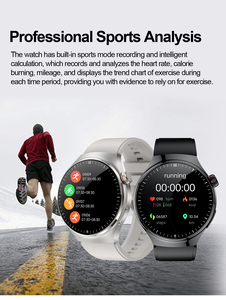
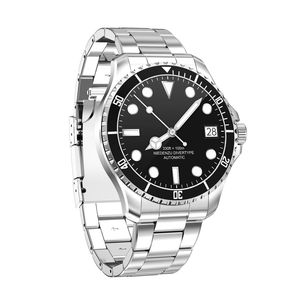
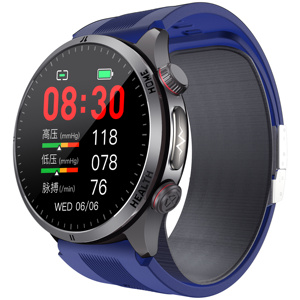
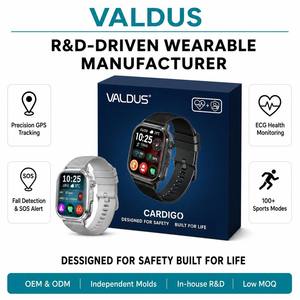
| Rugged GPS Smartwatches (Hero D6) | Dual-band Multi-GNSS / PPG Sensor | 2.13″ Ultra-bright AMOLED Screen | Offline Topographic Maps + Altimeter | 850mAh High-Density (5ATM) | EN 55032, EN 55035, IP68/5ATM |
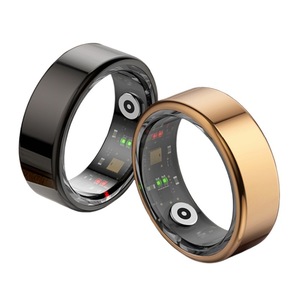
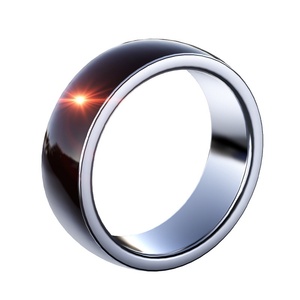
| Smart Health Rings (R1 Pro / VR1) | Medical-grade ECG & PPG Sensors | N/A (Discreet Titanium Alloy Chassis) | Gesture Touch Control + Sleep/SpO2 Engine | Magnetic Charging Case Box | CE Medical Class I / IIa compliant |
* All hardware configurations support modular OEM custom branding, customized firmware flashing, custom box packaging, and localized application user interfaces.
Choosing the right OEM supplier determines whether your smart glasses project thrives or stalls in production. As showcased at major global industry expos such as CES Las Vegas, our factory combines aggressive R&D innovation with rigorous quality management frameworks.
Over 10 core utility technology patents and 50 industrial design patents protecting optical structures, audio waveguides, and power efficiency algorithms.
From industrial mold design, PCB layout optimization, and firmware localization to silk-screen logo printing and retail packaging tooling.
Every unit undergoes automated 100% optical alignment testing, RF signal validation in anechoic chambers, waterproof IP testing, and thermal burn-in cycles.
Essential answers for sourcing directors, supply chain managers, and product managers evaluating OEM smart glasses suppliers.