 Rollme Rollme
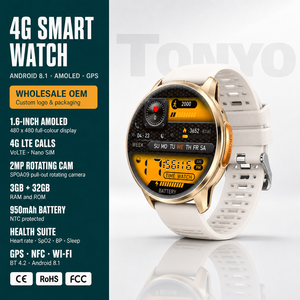
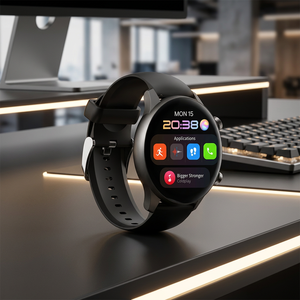
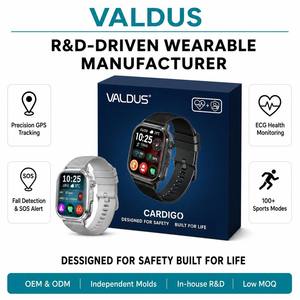
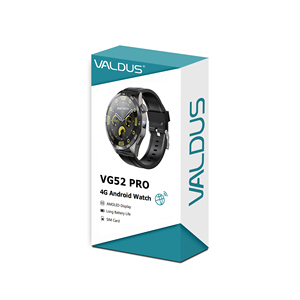
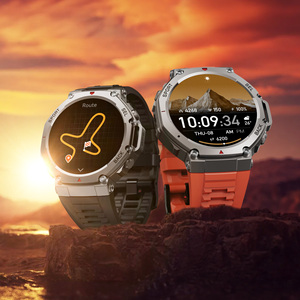
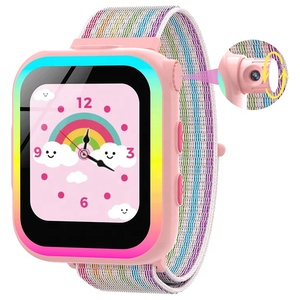
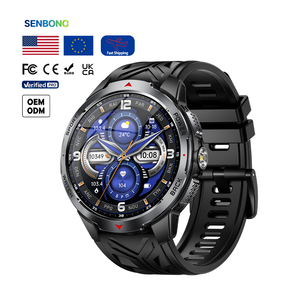
In the rapidly maturing global smart wearable sector, sourcing hardware requires a shift from cosmetic branding to rigorous hardware verification, bio-metric algorithmic validation, and international regulatory conformance. As an authoritative CE Certified Custom Smartwatch Factory & Supplier, our engineering ecosystem resolves the underlying technical bottlenecks faced by tier-one distributors, healthcare innovators, and consumer electronics brands. Navigating international trade demands strict adherence to European Union standards. CE marking is not merely a label; it represents full compliance under the Radio Equipment Directive (RED) 2014/53/EU, Electromagnetic Compatibility (EMC) testing, and Low Voltage Directive (LVD) safety standard EN 62368-1.
Our OEM/ODM manufacturing pipelines operate under a strict quality management system certified to ISO 9001 and ISO 13485 (Medical Devices). Every smartwatch architecture—from our lightweight 32g GPS running watches to ultra-rugged 5ATM dual-frequency outdoor instruments—undergoes extensive Over-The-Air (OTA) radio performance testing, RF spectrum efficiency tuning, and bio-impedance sensor calibration. This guarantees that imported hardware passes customs inspections smoothly while providing reliable long-term performance for end users.
Complete testing protocols covering RF output power, spurious emissions, SAR (Specific Absorption Rate) limits, and EN 300 328 Bluetooth/Wi-Fi spectral efficiency for hassle-free EU clearance.
Integration of multi-wavelength PPG optical clusters, ECG electrical potential circuits, and non-invasive bio-metric monitoring backed by 10+ proprietary technology patents.
Full white-label firmware customization, encrypted Bluetooth LE transmission protocols, and direct cloud integration support for Android, iOS, and proprietary enterprise platforms.
Our engineering ecosystem combines research and development with scalable automated assembly. With over 50 industrial design patents and 10 technological utility patents, we protect global brand partners from design infringement while offering distinct product styling. From high-density 950mAh lithium-polymer battery chemistry to dual-band GNSS multi-constellation antennas (L1+L5 GPS, GLONASS, Galileo, BeiDou), our hardware delivers reliable real-world performance.
| Engineering Domain | Technical Specification & Capability | Commercial Value for Buyer |
|---|---|---|
| Structural Sealing & Water Resistance | Precision dispensing, sonic welding, dynamic double-ring O-seals rated for 3ATM, 5ATM, and IP68 standards. | Eliminates field returns caused by moisture entry during swimming, diving, or outdoor use. |
| Display Hardware Integration | High-luminance AMOLED displays (up to 1000 nits peak), 1.43" to 2.13" sizes, integrated 2.5D/3D glass, low-power AOD modes. | Ensures clear outdoor visibility while extending battery life through efficient pixel management. |
| GNSS Positioning Electronics | Dual-band multi-constellation satellite receivers with offline vector map storage and low-noise RF amplification. | Provides accurate offline navigation for sports, tactical gear, and outdoor adventures without mobile coverage. |
| Cellular 4G LTE Stack | Integrated SIM/eSIM modem stack supporting global FDD-LTE/TDD-LTE bands, VoLTE voice calls, and autonomous data sync. | Enables standalone wearable applications for senior safety, kid tracking, and phone-free fitness. |
| AI Edge Processing | Micro-controller embedded neural processing modules for real-time translation, voice recognition, and generative UI faces. | Delivers modern high-margin software features that increase retail price points and improve user engagement. |
Different buyer segments demand specialized hardware configurations. Our OEM factory produces customized wearables across five core functional categories, helping corporate buyers select the right option for their market:
Designed for complete independence from mobile smartphones, these models feature high-density 950mAh lithium batteries combined with energy-optimized 4G LTE modems. Including blood oxygen, continuous heart rate, and sleep metrics, this architecture is ideal for active fitness, remote worker protection, and standalone cellular communications.
Built for harsh environments, our flagship outdoor watches feature offline vector maps, integrated altimeters, barometers, and digital compasses (ABC suite). Housed in high-impact zinc-alloy or carbon-composite shells rated to 5ATM, these models offer dual-frequency GPS tracking for overlanders, hikers, and endurance athletes.
Combining high-resolution AMOLED touchscreens with on-device AI tools, these smartwatches provide quick voice-to-text messaging for platforms like WhatsApp and Telegram. Custom watch face engines allow users to generate personalized visual styles directly on the wrist, driving strong engagement among tech-conscious consumers.
Equipped with flip-up retractable cameras, high-accuracy GPS positioning, cellular SOS emergency triggers, and educational software platforms, these models address the growing global market for child safety and connectivity, meeting strict European privacy and material safety standards.
For users who prefer a screenless form factor, our ultra-light titanium-alloy smart health rings deliver continuous PPG heart rate monitoring, HRV (Heart Rate Variability) analysis, skin temperature tracking, and sleep staging. Includes compact wireless charging cases for seamless daily use.
Combining open-ear directional audio with high-definition camera sensors, our smart eyewear line delivers hands-free video recording, real-time voice translation, and AI visual recognition. Light, ergonomic frames make these devices suitable for both daily eyewear and tech accessories.
As the smart wearable market matures, purchasing managers and brand strategists must align their supply chain choices with emerging technical shifts. Sourcing low-end, uncertified devices creates reputational risk and operational exposure due to changing regulatory standards. Industry data highlights several key structural shifts shaping smart wearable procurement over the next five years:
Basic step counters and generic optical heart-rate monitors are now baseline commodities. Consumer and commercial demand has shifted toward actionable biometric data. Future procurement focuses on non-invasive continuous blood glucose trend estimation, cuffless blood pressure monitoring, multi-lead ECG micro-circuits, and early illness detection algorithms. Factories investing in medical-grade ISO 13485 manufacturing processes and clinical algorithm validation offer brand partners a clear market advantage.
Cloud-dependent AI voice assistants often introduce latency and user privacy concerns. The next generation of customized smartwatches processes natural language models locally on low-power microcontrollers. This enables instant off-grid translation, predictive health alerts, and contextual user interface adjustments directly on the wearable, keeping user data secure while maintaining responsiveness.
Physical SIM card slots compromise structural waterproofing and add physical bulk. Sourcing trends favor integrated eSIM chips compatible with global remote SIM provisioning (RSP) standards. This shift allows smartwatches to maintain sleek, 5ATM-rated waterproof designs while enabling users to connect to local cellular networks across North America, Europe, and Asia-Pacific seamlessly.
Global regulatory bodies, particularly in the European Union (under the Eco-design for Sustainable Products Regulation), are enforcing stricter rules regarding material traceability, battery repairability, and hazardous substance elimination. Leading OEM suppliers are adopting recycled aluminum frames, bio-based TPU straps, mercury-free battery chemistries, and fully recyclable plastic-free packaging to ensure long-term market access.
Understanding the historical development of smart wearables helps procurement teams anticipate consumer expectations and avoid stocking obsolete designs. The industry has progressed through four distinct generational eras:
Early smart bands relied on monochrome OLED screens, basic 3-axis accelerometers, and short battery life. Functions were restricted to basic step tracking and simple call notifications, connected via basic Bluetooth 4.0 links.
Introduction of TFT/LCD color displays, single-wavelength optical heart rate sensors, and integrated consumer GPS modules. Devices gained basic waterproofing (IP67), though battery drain remained a key operational constraint.
Widespread adoption of high-resolution AMOLED touchscreens, continuous SpO2 tracking, multi-sport activity modes, and refined zinc-alloy case construction. Standardized Bluetooth Calling (BT 5.2/5.3) became a default market expectation.
The modern wearable ecosystem: On-device Edge AI, dual-band L1+L5 multi-constellation GNSS, offline vector mapping, 5ATM structural sealing, ISO 13485 health telemetry, and sleek multi-device ecosystems spanning watches, rings, and smart glasses.
Here are detailed answers to key questions purchasing directors, importer OEMs, and retail buyers ask when evaluating our manufacturing capabilities:
Partner with an established, CE-certified manufacturer backed by 10+ technology patents, 50+ design patents, and complete OEM/ODM production lines. Request our comprehensive product catalog and technical specifications today.