
New: Rollme’s first blood pressure health smartwatch is now availableDistributor & retail partnerships welcome worldwide
0%

Choosing Bone Conduction Wearables in 2026 means balancing comfort, sound, battery life, and the situations where you plan to use them. These devices rest near the cheekbones, leaving the ears uncovered. That can help you hear nearby sounds while listening, but it does not make every environment safe or every pair comfortable. Fit is personal.

Start with your routine. A runner may value a secure band and sweat resistance, while someone taking calls may care more about microphone clarity and reliable Bluetooth connections. Check the stated battery life against your typical day, and look for physical controls you can use with damp fingers or gloves. Small details matter.

Sound expectations need care. Bone conduction models often deliver less bass than conventional in-ear headphones, and sound can vary with placement, head shape, and background noise. Try a returnable model if possible. A short indoor test can reveal pressure points before a longer walk or workout. No model is perfect.

For a more informed choice, compare manufacturer specifications with detailed, independent reviews. Confirm device compatibility, charging method, warranty terms, and water-resistance limits rather than relying on a broad “sport-ready” label. Keep volume moderate; uncovered ears do not prevent hearing strain. I’d also leave room to revise your shortlist after trying a fit, because published specifications cannot predict how a wearable will feel after an hour.
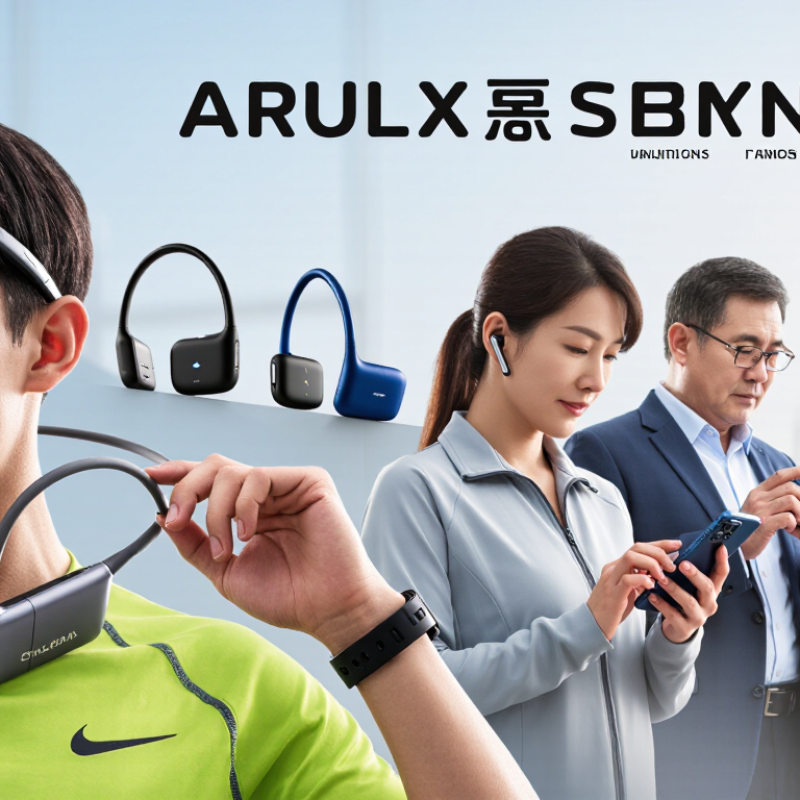
How to Choose the Best Bone Conduction Wearables in 2026?

Understand How Bone Conduction Wearables Work and Who They Suit

How to Choose the Best Bone Conduction Wearables in 2026?

Bone conduction wearables send small vibrations through the cheekbones toward the inner ear, rather than directing sound through the ear canal. The cochlea then processes those vibrations as sound. The outer ear stays open. That can help runners hear traffic or cyclists notice nearby movement, though it does not guarantee awareness in every setting.

A useful distinction. These devices may suit people who dislike earbuds or need an open-ear listening option. They are not a universal fix for hearing loss. The World Health Organization’s 2021 World Report on Hearing estimates that nearly 2.5 billion people could have some degree of hearing loss by 2050, with at least 700 million needing rehabilitation. Anyone considering a device because of hearing difficulty should seek a hearing assessment; consumer wearables are not a substitute for clinical advice.

Comfort matters more than a feature list. Check whether the band presses against glasses, shifts when you jog, or feels tiring after an hour. Listen for clear speech at a modest volume, and test sound leakage in a quiet room. Bone conduction can sound thinner than sealed earbuds, especially with bass-heavy music. That trade-off is easy to miss in a quick shop demo. WHO’s report offers important context, but it does not establish that bone conduction devices suit every listener.

Define Your Listening Needs and Everyday Use Cases

Start with a typical day, not a feature list. Do you need audio during a run, on a crowded commute, or for long calls at a desk? A runner may value a secure fit and sweat resistance; a commuter may care more about clear voices and easy controls. Quiet office listening is different again. Be specific: picture your usual route, the wind near your ears, and whether you need to hear a colleague speak.

The World Health Organization’s 2021 World Report on Hearing estimates that 1.5 billion people live with hearing loss, including 430 million who need rehabilitation. These figures are useful context, not proof that bone conduction wearables can treat hearing loss. If hearing support is your main need, seek advice from a qualified hearing-care professional before choosing a consumer device. Don’t assume.

For exercise, the U.S. Centers for Disease Control and Prevention recommends adults get at least 150 minutes of moderate-intensity activity weekly, plus muscle-strengthening activity on two days. If you plan to wear audio during workouts, check comfort after a full session, not just a quick fitting. Also test spoken prompts at your normal volume. Open-ear designs can help you remain aware of surroundings, but traffic noise, wind, and poor fit may still make listening difficult. A feature that looks useful on paper may not suit your routine.

Compare Fit, Sound Quality, Connectivity, and Battery Life

How to Choose the Best Bone Conduction Wearables in 2026?

Fit comes first. The transducers should rest securely near your cheekbones without creating soreness under glasses or a helmet. Walk, jog, and turn your head before deciding. Fit comes first. Sound varies with placement: bass may feel light, while voices remain clear in a quiet room. Outdoors, traffic can mask detail, and nearby people may hear sound leakage. Not always.

Compare listening levels carefully. The WHO-ITU Global Standard for Safe Listening Devices and Systems sets a reference limit of 80 dB for up to 40 hours weekly for adults. That is a useful benchmark, not a guarantee for every listener. Bluetooth SIG’s 2024 Market Update forecasts 1.8 billion annual shipments of Bluetooth audio-streaming devices by 2028. That growth makes connectivity worth checking: test pairing, call clarity, connection stability, and switching between devices.

Battery claims need context. Check whether a stated runtime includes calls, high volume, or standby time; those details can change real use. Try a full commute, then note the remaining charge. Look for practical charging time and a clear low-battery warning. A longer specification is not always better if the wearable feels loose or needs frequent readjustment. I’d still weigh comfort over one extra hour. It’s easy to overlook.

How to Choose the Best Bone Conduction Wearables in 2026? — Compare Fit, Sound Quality, Connectivity, and Battery Life

Wearable Type Fit and Comfort Sound Quality Connectivity and Controls Typical Battery Life Best For What to Check Before Buying
Lightweight everyday model Usually has a flexible band that sits behind the head, leaving the ears uncovered. A light frame can feel comfortable for commuting and everyday listening. Clear speech and podcasts are common strengths. Bass is generally less pronounced than with sealed in-ear headphones, and open-ear sound can be harder to hear in noisy places. Typically connects to a phone over Bluetooth. Built-in buttons or touch controls vary by model; check whether controls are easy to use while moving. Often around 6–10 hours per charge, depending on volume, call use, and battery age. Podcasts, calls, walking, and situations where awareness of nearby sounds matters. Try the band tension and contact points if possible. Confirm microphone performance and whether the controls support your usual tasks.
Sport-focused model Often designed to stay in place during running or exercise, with a wraparound frame. Fit can vary with head shape, glasses, helmets, and movement. Suitable for spoken audio and workout listening. Wind and surrounding noise can affect what you hear because the ears remain open. Usually uses Bluetooth for phone audio and may offer physical controls for use during exercise. Bluetooth range and connection stability depend on the device and surroundings. Commonly about 7–10 hours per charge; high volume and frequent calls can reduce runtime. Running, cycling, and workouts where open ears are preferred. Open-ear listening does not replace situational awareness or safe riding practices. Check stability during movement, sweat-resistance rating, button placement, and whether the frame fits with sports gear.
Higher-end general-purpose model May use softer contact materials or a more adjustable frame, but premium pricing does not guarantee a better fit for every wearer. May provide clearer tuning or improved microphones, but bone conduction still generally delivers less deep bass and isolation than sealed headphones. May support newer Bluetooth features or multipoint connection, which can keep two paired devices connected. Verify the exact supported features and device compatibility. Often approximately 8–12 hours per charge, though advertised figures are usually measured under specific conditions. People who want open-ear listening for a mix of calls, commuting, and exercise. Look for independent fit feedback, microphone samples, multipoint details, charging method, and return terms.
Swim-ready model with onboard storage Designed for water use and may include earplugs to help keep water out and improve perceived sound. Fit should remain secure while swimming. Water and earplugs change how audio is perceived. Music playback is commonly provided by onboard storage rather than a phone connection underwater. Bluetooth does not transmit reliably through water, so many swim-ready designs use local music storage for underwater playback. Check supported file formats and storage capacity. Frequently around 5–8 hours of playback, with actual runtime affected by volume and use of storage or wireless features. Swimming and other water activities, provided the device is rated for the intended use. Check the stated water-resistance rating and depth limits, onboard storage, charging contacts, and whether the controls work with wet hands.

Comparison note: Battery figures are indicative ranges for product types, not guaranteed specifications. Actual runtime, fit, sound, water protection, and connectivity vary by model and use. Check the individual product specifications and applicable safety guidance before purchase.

Assess Safety, Durability, Comfort, and Device Compatibility

A good bone-conduction wearable should feel secure without pressing hard against your temples. Check where the contact points sit, especially if you wear glasses or a helmet. The open-ear design can help you notice nearby sounds, but it does not make every setting safe. Stay alert around traffic, and keep playback low enough to hear your surroundings. Volume matters.

Durability depends on more than a tough-looking frame. Check the stated water-resistance rating and care instructions before wearing a device in rain or during workouts. Sweat can collect around contact pads and charging ports, so wipe the wearable dry after use. I used to focus too much on water resistance; battery life and hinge strength deserve attention, too. Ratings are useful, but they are not a promise that a device can be submerged or handled roughly.

Comfort may change after an hour, so try a longer wear test before deciding. Confirm that the wearable supports your phone’s operating system, Bluetooth version, and preferred call features. If you switch between a phone and a laptop, check how reliably it reconnects. Small details count. Read reviews for recurring complaints about pressure, dropouts, or charging, and compare them with the manufacturer’s specifications. A perfect fit is personal, and I still find that easy to underestimate.

Match Key Features to Your Budget and 2026 Requirements

In 2026, choose bone conduction wearables around your routine, not a feature list. For walks or cycling, prioritize a stable fit, clear voice prompts, and controls you can use without looking. At a desk, call microphone quality and multipoint connectivity may matter more. Start with your actual use. A low-cost model can work well for short sessions, but check battery life, charging time, and return terms before buying.

Mid-range options often add better microphones, longer playback, and more dependable water resistance. These details matter during a sweaty commute or a sudden drizzle. Still, water-resistance ratings do not mean every device is suitable for swimming. Read the rating carefully. Fit is personal, too; pressure near the temples can become irritating after an hour. Try a short wearing session if possible.

Higher prices may buy improved materials or useful app controls, not necessarily better sound for your ears. Bone conduction leaves the ears open, but it usually offers less deep bass and less isolation than sealed headphones. That trade-off is easy to overlook. Compare the advertised battery life with independent testing, and look for a clear warranty and accessible support. A feature you never use is not value. Sometimes, the simpler pair wins.

FAQS

How do bone conduction wearables deliver sound?

Small transducers rest near the cheekbones and send vibrations toward the inner ear. Ear canals remain open.

Who might find them useful?

Runners, cyclists, and people who dislike earbuds may appreciate the open-ear design. Traffic can still mask sounds, so stay alert.

Can they treat hearing loss?

No. They are not a substitute for a hearing assessment or clinical advice. Seek professional help if hearing is difficult.

What should I check before choosing a pair?

Check pressure near your temples and whether glasses or a helmet cause discomfort. Walk, jog, and turn your head while testing the fit. Small shifts matter.

How does their sound compare with sealed earbuds?

Voices may sound clear in a quiet room, but bass often feels lighter. Nearby people may hear sound leakage. I still find that trade-off easy to underestimate.

Which features matter for a commute?

Look for a stable fit, clear call audio, simple controls, and reliable connections. Test the battery during a real commute; advertised runtime may exclude calls or high volume.

Does water resistance mean they are safe for swimming?

Not necessarily. Check the specific rating; resistance to sweat or drizzle does not confirm swimming suitability.

Is a more expensive pair always better?

A higher price may bring better materials or app controls, but not better sound for your ears. Compare comfort, tested battery life, warranty, and support. A simpler pair may win.

Conclusion

Choosing the best Bone Conduction Wearables in 2026 starts with understanding how they work and whether they suit your listening habits. By transmitting sound through the bones of the skull, these devices leave the ears more open to surrounding sounds, which can be useful for outdoor activities, commuting, or staying aware of conversations. Consider when and where you plan to use them, as your daily routines will shape which features matter most.

Compare models based on fit, comfort, sound quality, connectivity, and battery life. Also assess durability, safety features, and compatibility with your devices before making a decision. Rather than focusing on one specification alone, balance practical needs with your budget and the features available in 2026. A well-matched choice should feel comfortable during regular use and provide reliable performance for the activities you value most.

Amelia

Amelia

Amelia is a professional marketing specialist with a strong understanding of the company’s products, their practical applications, and the needs of the people who use them. She combines product knowledge with a thoughtful, customer-focused approach, helping readers understand how different......